Gorilla Trekking & Great Migration lets travelers pair two rare wildlife events into one unforgettable African journey.
7 Epic Tips
Few trips on earth offer two once-in-a-lifetime wildlife moments in a single journey. Gorilla Trekking & Great Migration does exactly that. It pairs quiet forest encounters with the raw drama of a continent-wide animal movement. This guide breaks down how the trip works, what to expect, and how to plan it well.
Both experiences sit only a short flight apart. That makes the pairing far more practical than it first sounds. With the right timing and a good operator, travelers can move from misty mountain trails to open savannah plains in days.
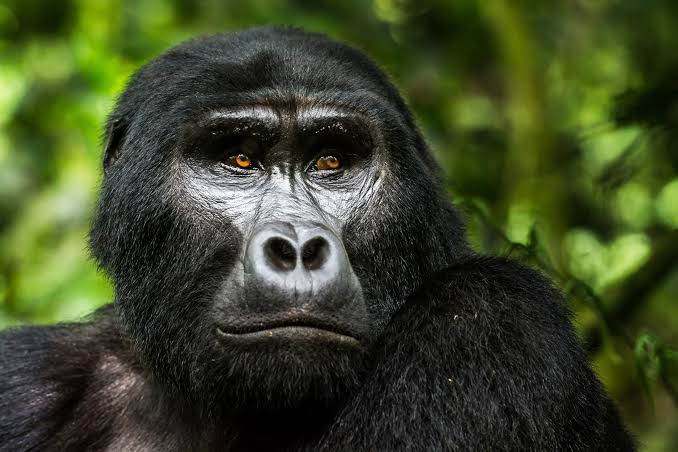
Table of Contents
What Does Gorilla Trekking & Great Migration Involve?
At its simplest, this trip links two separate countries and two very different ecosystems into one itinerary. Travelers usually begin in Uganda’s dense forests before flying east to Kenya’s open grasslands. The shift in scenery is dramatic, and that contrast is part of what makes the journey so memorable.
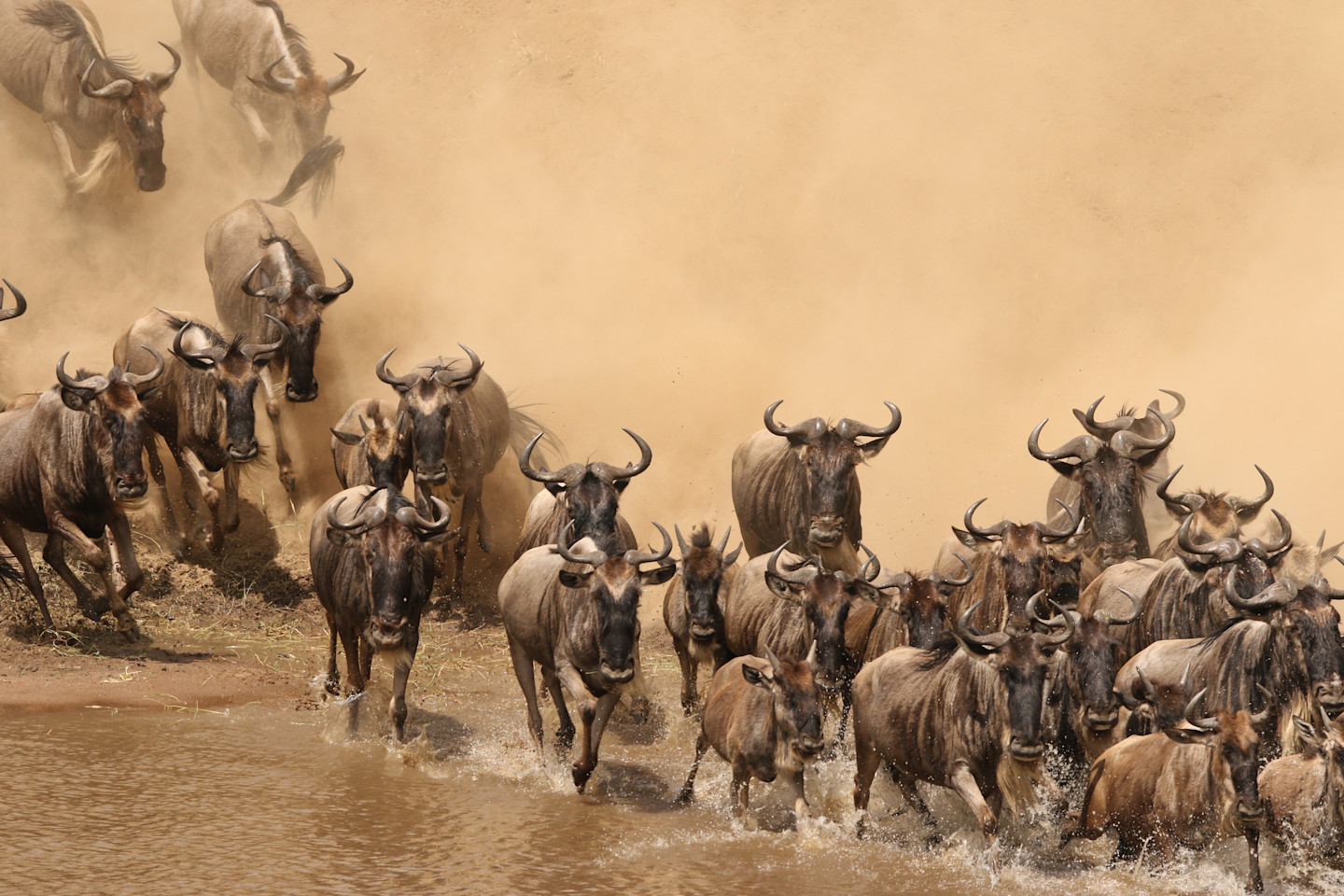
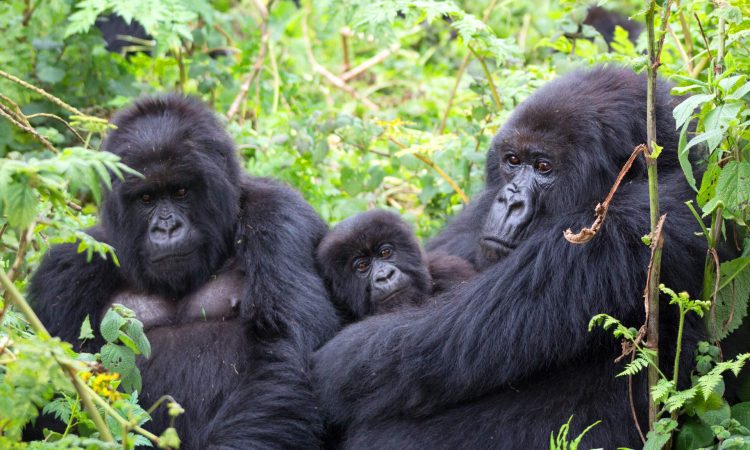
Gorilla trekking involves a guided hike through thick forest to observe wild mountain gorillas at close range. The Great Migration, on the other hand, is different. It involves watching over a million wildebeest and zebra move across the Mara in search of fresh grazing. Together, these two events cover both the stillness of primate life and the chaos of a mass migration.
Why Combine These Two African Experiences?
Uganda and Kenya sit close enough that linking them makes practical sense for most travelers. A single trip can cover mountains, forests, rivers, and endless plains without adding excessive travel time. Few destinations on earth offer this much variety within one region.
Two Iconic Wildlife Events in One Trip
Gorilla trekking and the Great Migration rank among the most sought-after wildlife experiences in the world. Seeing both on one trip means checking off two major bucket-list items without booking separate journeys years apart. This pairing also spreads the cost of long-haul flights across a single, longer visit.
Time and Logistics Advantages
Because Uganda and Kenya share a border and strong flight connections, moving between them is relatively simple. A short regional flight, rather than a long international leg, usually bridges the two countries. This makes the combined trip more efficient than most travelers expect.
Gorilla Trekking in Uganda: What to Expect
Gorilla trekking is physically demanding but deeply rewarding for those who complete it. Trails wind through steep, muddy terrain, and hikes can last anywhere from one to several hours. The reward is a close, tightly regulated encounter with a wild gorilla family.
Bwindi Impenetrable Forest
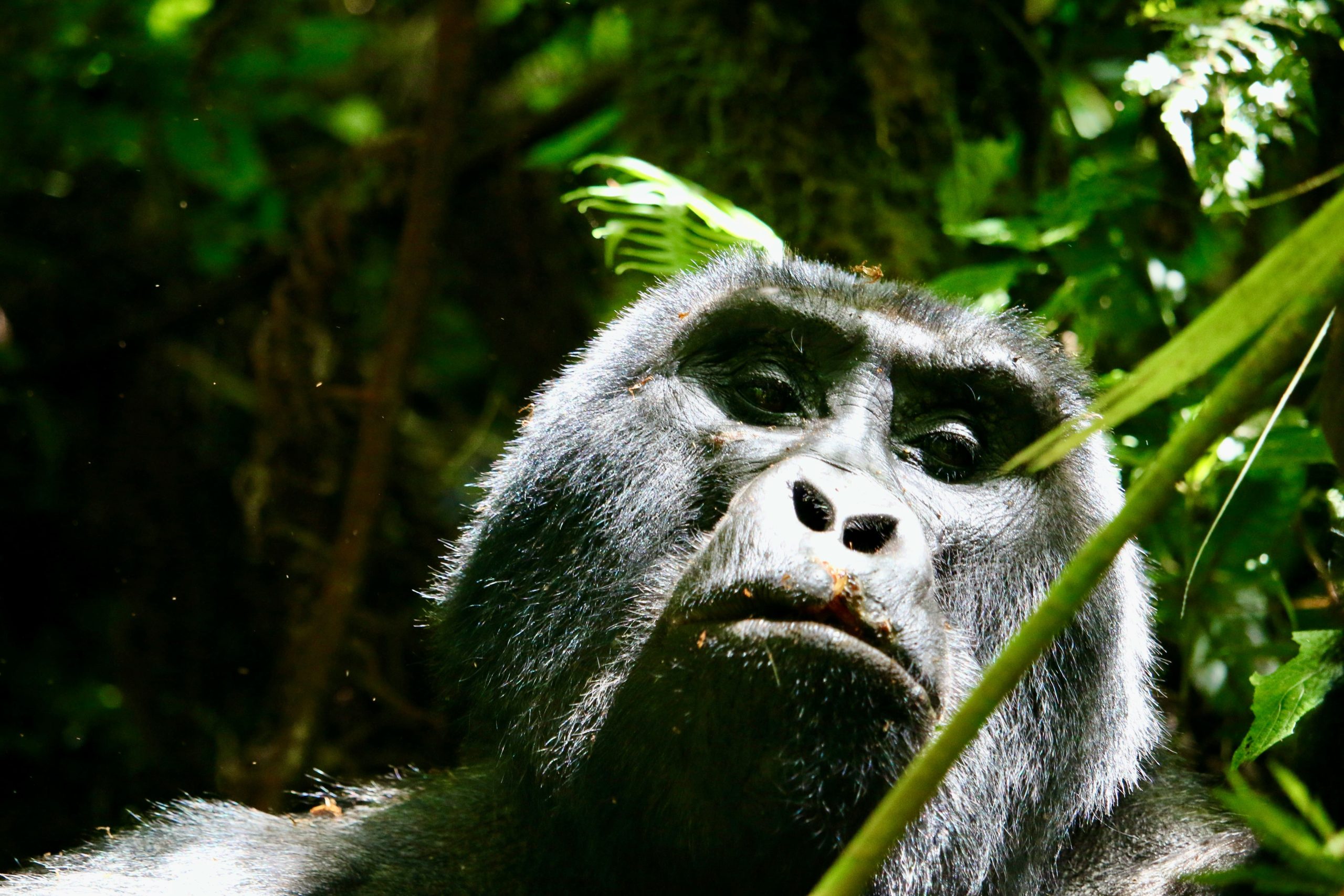
Bwindi is Uganda’s main gorilla trekking destination and home to nearly half of the world’s remaining mountain gorillas. The forest is thick, ancient, and largely untouched by modern development. Guides track gorilla families daily, so each hike follows fresh movement patterns rather than a fixed route.
Visitors are given strict rules once they reach a gorilla family. These include keeping a safe distance and limiting the visit to one hour. The rules protect both the animals and the humans who come to see them. Even so, most travelers describe the visit as one of the most powerful wildlife moments of their lives.
Permits and Trekking Rules
Gorilla trekking permits are limited each day and must be booked well in advance. Prices reflect strict conservation efforts that fund ranger patrols and community programs around the park. Booking early is essential, especially during peak travel months.
Trekkers are also required to be in reasonable physical condition, since trails can be steep and unpredictable. Porters are available to help carry gear and support hikers along the way. This support makes the trek accessible to a wider range of fitness levels than many visitors assume.
Kenya’s Great Migration: What to Expect
The Great Migration is one of the largest wildlife movements left on the planet. Massive herds move in a rough circular pattern between Kenya and Tanzania each year, following seasonal rainfall. Watching it unfold from the Mara offers a front-row seat to nature at its most intense.
The Masai Mara Crossing
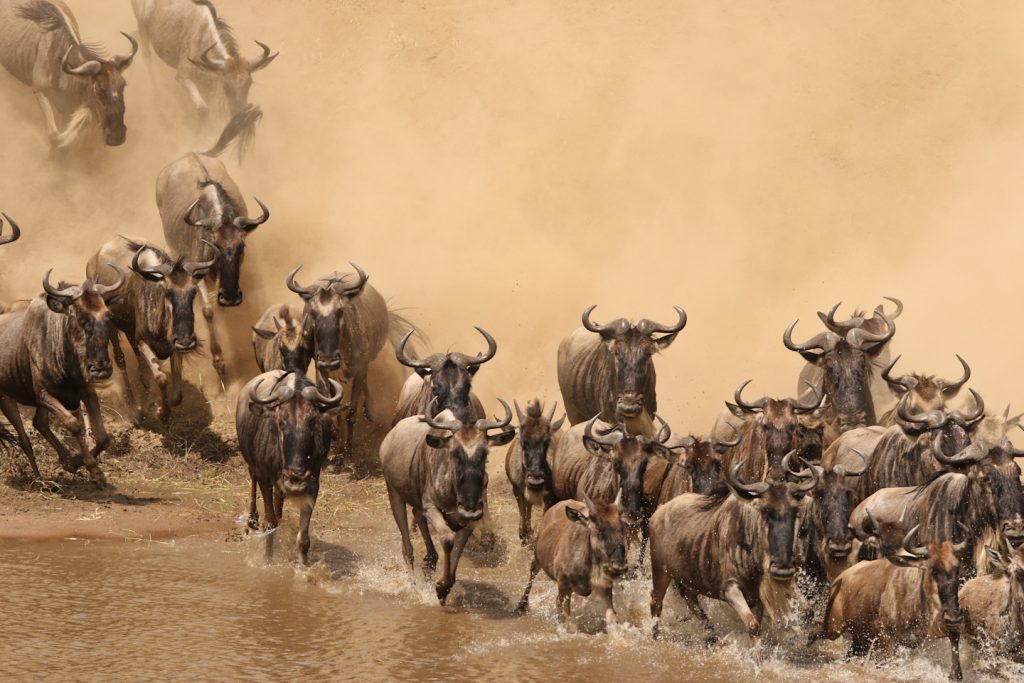
The most dramatic moment of the migration happens at river crossings, where herds face crocodiles and steep banks. These crossings are unpredictable and can happen at any time of day. Patience is often required, but the payoff is one of the most talked-about wildlife scenes in the world.
Beyond the crossings, the Mara is home to large predator populations that follow the herds closely. Lions, cheetahs, and hyenas are commonly spotted during migration season. This predator activity adds another layer of drama to an already intense wildlife experience.

Best Time to Witness the Migration
Timing plays a major role in how much of the migration travelers actually see. Herds typically move north into Kenya around July and begin heading back south by October. Missing this window can mean a much quieter, less dramatic visit to the same park.
Wildlife Beyond the Big Two
Both parks offer far more than their headline attractions once travelers slow down and look around. Bwindi is home to forest elephants, colorful birdlife, and several other primate species living alongside the gorillas. The Mara, meanwhile, supports giraffes, elephants, and one of the densest lion populations in East Africa.
Spending extra time in either location often reveals sightings that rival the main event itself. Many travelers report that a leopard sighting or a rare bird species became an unexpected highlight of the trip. This variety is part of why combining Uganda and Kenya rewards travelers who build in unhurried time at each stop.
How to Plan Gorilla Trekking & Great MigrationGreat Migration & Wildlife Spectacles
Careful planning turns this ambitious trip into a smooth, well-paced journey rather than a rushed one. A realistic schedule and a knowledgeable operator make a significant difference in how the trip feels day to day.
Recommended Itinerary Length
Most travelers need at least ten to twelve days to comfortably cover both experiences. Shorter trips are possible but often feel rushed, especially given the physical demands of trekking. A longer itinerary also allows buffer time for weather delays or wildlife unpredictability.
Flights and Border Logistics
Regional flights connect Entebbe or Kigali to Nairobi in just a few hours, keeping travel time manageable. From Nairobi, a short domestic flight or scenic drive leads into the Mara. Planning connections carefully avoids long layovers between the two countries.
Choosing a Tour Operator
Working with an operator experienced in both countries simplifies permits, transport, and lodge bookings significantly. Gorilla Trekking & Great Migration involves more moving parts than a single-country safari, so local expertise matters. A good operator can also adjust the schedule quickly if migration timing shifts.
Ask any prospective operator how many multi-country trips they have arranged before booking. Experience with both Ugandan permit offices and Kenyan park logistics tends to prevent avoidable delays. Reading recent traveler reviews focused specifically on this dual-country route can also reveal useful details that generic safari reviews miss.
A Sample Ten-Day Itinerary
A clear day-by-day outline helps travelers picture how the two experiences actually fit together. This sample assumes a ten-day trip, though it can be stretched or trimmed depending on available time.
Days one through three typically cover arrival in Uganda and travel to Bwindi. This is followed by the gorilla trek itself and a rest day. Days four and five often include a scenic transfer back toward Entebbe. Some travelers add a short stop at another Ugandan park along the way. Day six usually involves the regional flight into Kenya, landing either in Nairobi or directly at a Mara airstrip.
Days seven through nine are spent inside the Masai Mara, focused on game drives and, ideally, a river crossing. The final day typically covers the return flight home or an onward connection. Building in one flexible day somewhere in the middle helps absorb any unexpected weather or wildlife delays.
Budgeting for the Combined Trip
Costs for this journey vary widely depending on lodge choices, permit prices, and the length of the itinerary. Gorilla permits alone represent a significant portion of the Uganda leg, since numbers are strictly limited each day. Flights between the two countries add a further cost that single-destination trips do not need to consider.
Mid-range travelers can expect the combined trip to cost noticeably more than a single-country safari of similar length. However, many find the added expense worthwhile given the rarity of both experiences. Setting a realistic budget early, including permits, flights, and park fees, helps avoid surprises once the trip is underway.
Best Time of Year for Both Experiences
Gorilla trekking is possible year-round. Still, the dry seasons from June to September and December to February offer easier trail conditions. The Great Migration, by contrast, is tightly tied to seasonal rainfall patterns further south. Aligning both experiences usually means targeting a trip between July and September.
This overlap window gives travelers the best chance of seeing dramatic river crossings. It also allows for manageable trekking conditions in Uganda at the same time. Anyone serious about Gorilla Trekking & Great Migration should build their travel dates around this narrow overlap first. Booking outside this window is still possible. It may simply mean trading one highlight for a quieter version of the other.
Tips for a Smooth Cross-Country Safari
A well-planned trip depends on a few practical details that are easy to overlook when booking far in advance. Packing light but smart makes moving between countries far less stressful.
- Book gorilla permits at least four to six months ahead of travel.
- Pack layered clothing for both cool forest mornings and hot savannah afternoons.
- Carry a valid yellow fever certificate, since it is required for entry.
- Confirm visa requirements for both Uganda and Kenya before departure.
- Build at least one buffer day into the schedule for flight delays.
Following these small steps helps prevent avoidable stress once the trip is already underway. It also frees up more energy to focus on the wildlife itself rather than logistics.
Health and Safety Considerations
Both legs of this trip involve remote areas, so preparation matters more than on a typical city break. Travel insurance that covers emergency evacuation is strongly recommended given the distance from major hospitals. Malaria prevention, recommended vaccinations, and a basic first-aid kit round out the essentials.
Physical readiness also matters more for Gorilla Trekking & Great Migration than for a standard lodge-based safari. Trekking days involve real exertion, while long game drives require patience rather than fitness. Travelers with health concerns should consult a doctor familiar with tropical travel before booking either leg.
Why This Pairing Works So Well
Some destination combinations feel forced, added mainly to fill an itinerary rather than to add real value. Gorilla Trekking & Great Migration is different, since both experiences stand on their own as world-class wildlife events. Neither feels like a secondary stop tacked onto the other.
The contrast between dense forest tracking and open-plains game viewing also keeps the trip feeling fresh throughout. Travelers rarely report fatigue with this pairing. This differs from what sometimes happens on longer single-country safaris. Each leg offers a distinct rhythm and pace. This variety keeps energy and excitement high across the full trip.
Conclusion
Gorilla Trekking & Great Migration brings together two of Africa’s most powerful wildlife experiences in a single, well-planned journey. From quiet forest encounters with mountain gorillas to the roaring chaos of a river crossing, few trips offer this much contrast.
With the right timing and a realistic itinerary, this pairing becomes far more achievable than it first appears. An experienced operator makes the whole process easier still.
Travelers who take the time to plan carefully often walk away calling it the trip of a lifetime. Few journeys anywhere else on earth can make that same claim twice over.
Contact us Nabigaga Tours and Travel to book your trip.
Related packages.